Healthcare

Heart Health Matters: Take Control of Your Future

Heart disease remains one of the leading causes of death globally, impacting millions of lives each year. Yet, many people are unaware of the simple steps they can take to protect their heart health. Understanding heart disease, its risk factors, and prevention strategies is crucial for living a longer, healthier life. Let’s explore why heart health matters and how you can take proactive steps toward a healthier future.

//img.enjoy4fun.com/news_icon/crlsdiiqc7el72c4gpn0.jpg

What is Heart Disease?

Heart disease encompasses various conditions affecting the heart, including coronary artery disease, heart attacks, heart failure, and arrhythmias. It occurs when the blood vessels that supply the heart become narrowed or blocked, leading to serious health complications. The good news is that many forms of heart disease are preventable through lifestyle changes and regular check-ups.

Risk Factors

Understanding the risk factors for heart disease is vital for prevention. Here are the most common contributors:

  1. High Blood Pressure: Often called the “silent killer,” high blood pressure puts extra strain on your heart and arteries, increasing the risk of heart disease and stroke.
  2. High Cholesterol: Elevated cholesterol levels can lead to plaque buildup in the arteries, restricting blood flow and increasing the risk of heart attacks.
  3. Smoking: Tobacco use damages blood vessels and reduces oxygen flow, significantly increasing the risk of heart disease.
  4. Diabetes: This condition can damage blood vessels and nerves that control the heart, making individuals with diabetes more susceptible to heart disease.
  5. Obesity: Carrying excess weight can lead to high blood pressure, high cholesterol, and diabetes, all of which heighten the risk of heart disease.
  6. Sedentary Lifestyle: Lack of physical activity contributes to obesity and other risk factors, making exercise essential for heart health.
  7. Unhealthy Diet: Diets high in saturated fats, trans fats, and sodium can lead to high cholesterol and high blood pressure.
  8. Family History: A family history of heart disease increases your risk, making it important to be proactive about monitoring your heart health.

Signs and Symptoms

Recognizing the signs of heart disease can be life-saving. Common symptoms include:

  • Chest pain or discomfort
  • Shortness of breath
  • Fatigue
  • Heart palpitations or irregular heartbeat
  • Swelling in the legs, ankles, or feet

If you experience any of these symptoms, seek medical attention immediately. Early detection can lead to better outcomes.

Prevention: Your Heart's Best Defense

Taking steps to prevent heart disease is crucial. Here’s how you can take control of your heart health:

  1. Regular Check-Ups: Schedule annual check-ups with your healthcare provider. Routine screenings for blood pressure, cholesterol, and blood sugar levels can help identify risk factors early.
  2. Eat a Heart-Healthy Diet: Incorporate more fruits, vegetables, whole grains, and lean proteins into your meals. Limit saturated fats, trans fats, and sodium to maintain healthy cholesterol and blood pressure levels.
  3. Stay Active: Aim for at least 150 minutes of moderate aerobic exercise each week. Activities like walking, jogging, swimming, or cycling can strengthen your heart and improve circulation.
  4. Quit Smoking: If you smoke, seek help to quit. There are numerous resources available, including counseling, medications, and support groups.
  5. Manage Stress: Chronic stress can contribute to heart disease. Practice stress management techniques such as yoga, meditation, or deep breathing exercises to promote relaxation.
  6. Get Enough Sleep: Aim for 7-9 hours of quality sleep each night. Poor sleep can negatively impact heart health, so prioritize rest as part of your self-care routine.

The Importance of Awareness

Heart disease doesn’t just affect individuals; it impacts families and communities. Raising awareness about heart health can save lives. Share your knowledge with loved ones, encouraging them to take their heart health seriously. Consider organizing community events, health fairs, or workshops to spread the word about prevention and healthy lifestyle choices.

Join the Fight Against Heart Disease

Take the first step toward a healthier heart today! Whether it’s scheduling a check-up, starting an exercise program, or improving your diet, every action counts.

Conclusion

Heart disease is a serious but manageable condition. By understanding the risk factors, recognizing the symptoms, and implementing prevention strategies, you can take control of your heart health.

Make Heart Health a Priority: Every heartbeat matters. Invest in your health today, and empower yourself and those around you to live heart-healthy lives. The future is bright when your heart is strong!

Relatedsearches

Weight loss injections could be a game-changer, and no one’s talking about them!

Discover the secret to easy weight loss: injections that really work. Shed pounds effortlessly and transform your life. This could be the life-changing solution you’ve been waiting for! The ultimate life hack you need to know about!


What are Weight Loss Injections?

Weight loss injections are pharmaceutical solutions administered via injection to help individuals lose weight. Unlike traditional weight loss methods, these injections focus on leveraging certain substances that can accelerate fat metabolism or reduce appetite. They are typically prescribed by healthcare professionals and are often used in conjunction with a comprehensive weight management program that includes diet and exercise.


Relatedsearches


Types of Weight Loss Injections

Several types of weight loss injections are currently available in the USA. The most common ones include lipotropic injections, which contain substances like methionine, inositol, and choline that aid in fat burning; and hormone injections, like HCG (Human Chorionic Gonadotropin), which claim to reset the body’s metabolism. Additionally, newer options like semaglutide, originally used for diabetes management, are gaining traction due to their appetite-suppressing properties.

Effectiveness of Weight Loss Injections

The effectiveness of weight loss injections varies from person to person. Clinical studies often show positive results, but outcomes can depend on factors such as the individual’s overall health, diet, physical activity levels, and adherence to prescribed treatment plans. While some people may experience significant weight loss, others might find the injections less effective. It’s crucial to consult a healthcare provider to evaluate whether this treatment is suitable for you.

Potential Side Effects

Like any medical treatment, weight loss injections come with potential side effects. These may include nausea, diarrhea, and allergic reactions. Long-term use can sometimes lead to more serious health issues such as imbalanced hormone levels or liver complications. Therefore, it is critical to use these injections under the supervision of a qualified healthcare provider to minimize risks and ensure a safe experience.

Who Should Consider Weight Loss Injections?

Weight loss injections are generally recommended for individuals who have not achieved significant results through traditional weight loss methods like diet and exercise. They may also be suitable for those who have a considerable amount of weight to lose or have health conditions aggravated by obesity. However, they should not be viewed as a quick fix but rather as part of a comprehensive weight management plan.

Consulting Healthcare Providers

If you are considering weight loss injections, it is essential to consult with a healthcare provider to discuss your options. A medical professional can help determine if this treatment is appropriate for your unique health needs and guide you through the process. They will also monitor your progress and adjust the treatment as necessary to ensure optimal results and safety.

See More

Smile with Confidence: Transformative Braces for a Beautiful, Straighter Smile

Understanding the Different Types of Orthodontic Treatments


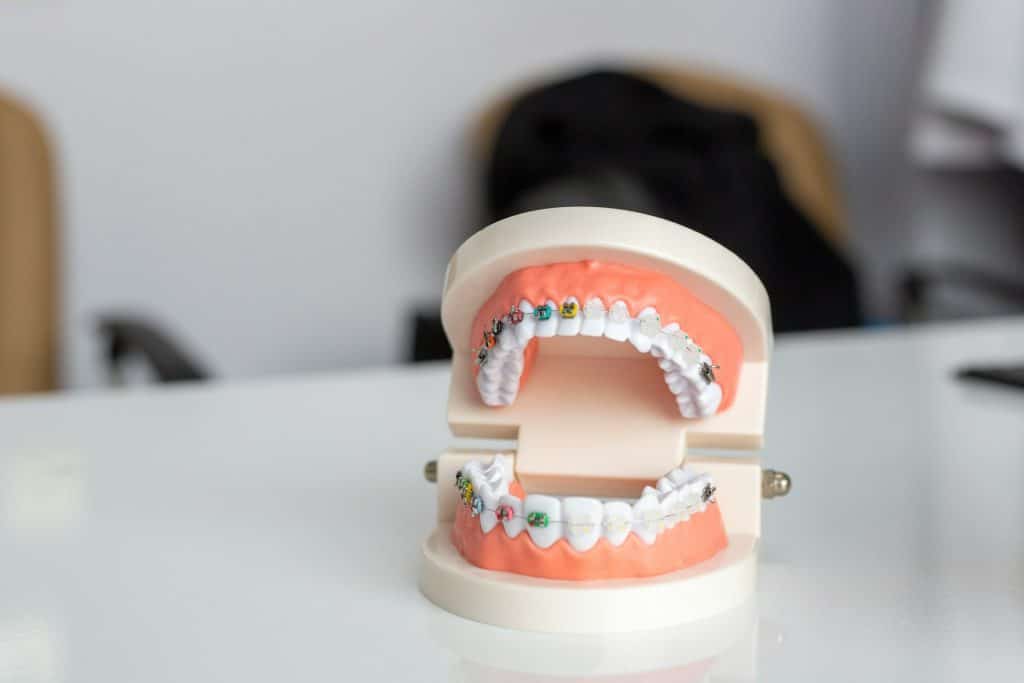
There are various types of orthodontic treatments available to suit different dental issues and lifestyle needs. Options range from traditional metal brackets to more modern solutions such as ceramic or clear aligners. Each type of treatment offers its own advantages and can be customized based on the patient’s requirements and the severity of the dental condition.


The Process of Getting Fitted

The journey to a transformed smile begins with an initial consultation. During this visit, an orthodontic specialist will evaluate the patient’s oral health, take X-rays, and discuss treatment plans. Once the appropriate type of brackets is chosen, the fitting process involves bonding the hardware to the teeth, a process that is usually painless and takes about an hour.

Maintenance and Care During Treatment

Proper maintenance is key to ensuring the effectiveness of the treatment. This includes regular oral hygiene practices like brushing and flossing, as well as avoiding certain foods that could damage the brackets or wires. Regular check-ups are also necessary to monitor progress and make adjustments as needed.

What to Expect Post-Treatment

Once the treatment period is complete and the brackets are removed, the next crucial step is the retention phase. This often involves wearing a retainer to maintain the newly aligned smile. Regular follow-up appointments with the orthodontist ensure that the teeth remain in their new positions and that any potential issues are addressed promptly.


Relatedsearches

See More