Healthcare

Sclerotherapy pricing for varicose veins

Varicose veins can be more than just a cosmetic concern. They often cause discomfort and sometimes lead to more serious problems. Sclerotherapy, a minimally invasive treatment for varicose veins, is a popular choice for many, but how much will it cost in 2024? The latest price of sclerotherapy maybe surprise you! Check out options below to know.

It is important to note that this is a rough estimate and actual costs can vary based on location, insurance coverage, and individual providers. Keep in mind, most insurance companies will cover treatments like sclerotherapy if it's considered medically necessary.

Before proceeding with sclerotherapy, it's recommended to have a consultation with a vein specialist to thoroughly understand the procedure, its risks and benefits, and the anticipated number of sessions needed to effectively treat your condition. Always remember to prioritize your health above all, and take the necessary steps to stay informed about your treatment options.

Breakthrough Solutions for Osteoporosis: Your Ultimate Guide to Cutting-Edge Treatments!

Unlock the Secret to Stronger Bones: Explore Revolutionary Osteoporosis Treatments in This Valuable Guide! Transform Your Health with the Latest Breakthroughs!


Understanding Osteoporosis

Osteoporosis is a condition that affects millions of people around the globe, significantly increasing the risk of fractures, particularly in the elderly. It manifests as a reduction in bone mass and density, making bones more fragile and susceptible to breaking. Understanding the challenges posed by this condition is crucial for effective management and prevention. Today, the landscape of osteoporosis treatment has expanded to include a range of options, from bone loss medication to natural treatment for osteoporosis, and even cutting-edge osteoporosis medication.
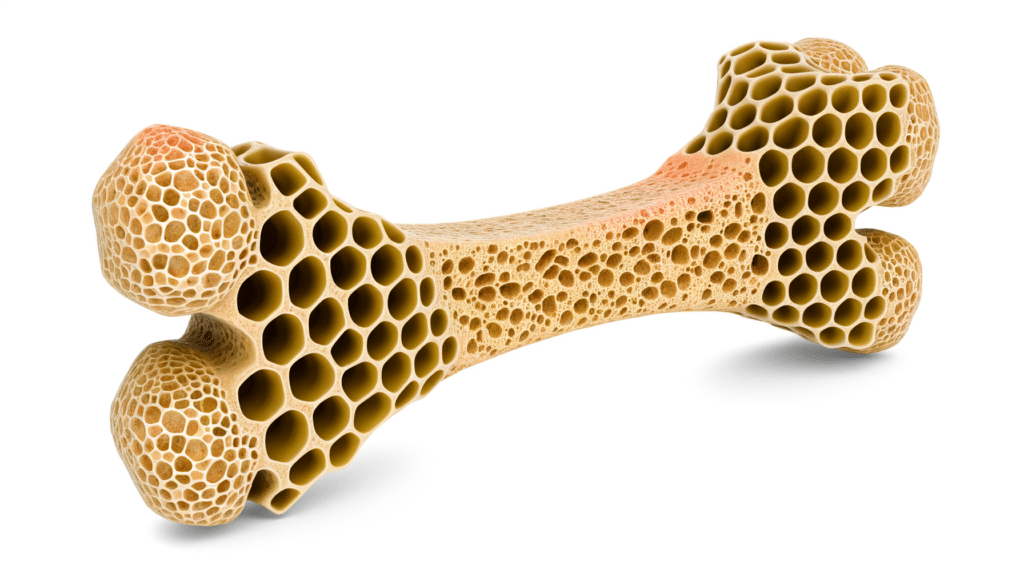
A close-up image of a human bone showing a honeycomb-like porous structure.

Breakthrough Solutions for Osteoporosis: Your Ultimate Guide to Cutting-Edge Treatments!


New Treatments for Osteoporosis

Advancements in medical research have introduced several new treatments for osteoporosis. These innovative therapies aim to not only slow down bone loss but also stimulate bone growth. Among these, the development of anabolic medications stands out. These medications work by stimulating bone formation directly, rather than just slowing the resorption process. Patients now have access to various forms of osteoporosis medication that can be tailored to their specific needs and health profiles, leading to more personalized and effective treatment plans.

The Role of Bone Loss Medication

Bone loss medication plays a critical role in managing osteoporosis. These medications, commonly known as bisphosphonates, help prevent bone degradation and maintain bone density. They work by inhibiting the cells responsible for bone resorption, thus preserving the structural integrity of the bones. The best medication for osteoporosis will vary depending on individual health conditions, tolerance levels, and the progression of the disease. Regular consultations with healthcare providers ensure that patients receive the most suitable bone loss medication for their specific needs.

Embracing Natural Treatment for Osteoporosis

In addition to conventional treatments, many individuals turn to natural treatment for osteoporosis to complement their medical regimen. Natural treatments include dietary adjustments, physical activity, and supplements such as calcium and vitamin D. Weight-bearing exercises like walking and lifting weights are highly beneficial as they promote bone strength. Moreover, a diet rich in leafy greens, nuts, seeds, and dairy products can provide the essential nutrients required for maintaining bone health.

Combining Treatments for Optimal Results

The combination of different treatment methods often yields the best results in managing osteoporosis. Integrating new treatments for osteoporosis with bone loss medication and natural approaches can offer a comprehensive management plan. This holistic approach addresses the condition from multiple angles, ensuring that bone density is preserved while promoting new bone growth. By staying informed about the latest advancements in osteoporosis treatment, patients and healthcare providers can work together to develop strategies that effectively combat this challenging condition.

See More

Why take a chance with your cancer treatment when you can know what works for you?

Understanding Your Options and Making Treatment Decisions

When someone finds out they have cancer, or that cancer has come back, it’s very easy to feel overwhelmed. For many people, this news might come while still recovering from surgery to remove or diagnose a tumor. They might now need to decide what other treatment to get, too.


When you start to talk about treatment options, it's very important that you:

  • Know all treatment options
  • Talk about the details of each treatment option with your cancer care team
  • Learn as much as you can and understand the information being given to you
  • Are a partner with your doctor in making treatment decisions and planning your care

How your cancer care team determines your treatment options

Depending on the type of cancer, you might have a very limited number of treatment options, or you might have many. Your cancer care team uses established treatment guidelines to figure out what treatments should be offered to you. These treatment guidelines are based on research and are used all over the country. They use information about your tumor and your health to guide the cancer care team in knowing what treatment or treatments are recommended for your type and stage of cancer. If you want to know more about treatment guidelines, you can talk to your cancer care team about what guidelines they use to give you treatment options.

The treatment options you’re offered might be different from the options offered to someone else who has the same or similar type of cancer. This is because some cancers have subtypes and features that might have different treatment recommendations. For example, there are many types and subtypes of breast cancer and different ways to describe them. Some have special features that affect their treatment and outlook. There are also patient factors that tell the cancer care team what options may or may not work best, such as other health problems.


Relatedsearches

Doing your own research

Your cancer care team will teach you about your treatment options. But, there’s lots of information about cancer treatments available from other sources, too. There’s also a lot of misinformation out there. You might find out information on the internet, by talking with family and friends, by going to a support group, or even by watching TV. It’s very important to be careful about where you’re getting information. Pay attention to who is sponsoring the website or advertisement, or who is giving the information you find or hear.  

See More