Healthcare

What Is the Best Age to Start Orthodontic Treatment?

Over 4 million people in the United States have braces, many of them teenagers. But when it comes to your child, who may be much younger, you might be thinking, when is the best time to start orthodontics?
//img.enjoy4fun.com/news_icon/csrbgccautsc72gthjm0.PNG

While orthodontic treatment varies widely among children, there are some ages at which parents need to have their child’s teeth evaluated.

Contact us today to schedule your appointment or for more information!


What is Orthodontics?

The dental field of orthodontics focuses primarily on the alignment of the teeth, jaw, and bite, not only for cosmetic purposes but for functionality. Orthodontics is a specialty field and requires more study, knowledge, and certification. The doctors that study orthodontics are called orthodontists.

Orthodontists see anyone – adult or child – who wishes to have cosmetic work done to their teeth and jaw. They fix crooked teeth, misaligned jaws, craniofacial issues, and more.

Types of Orthodontic Treatments

Orthodontists use a variety of treatments to create straight teeth. Here is a list of several treatments that may be used.

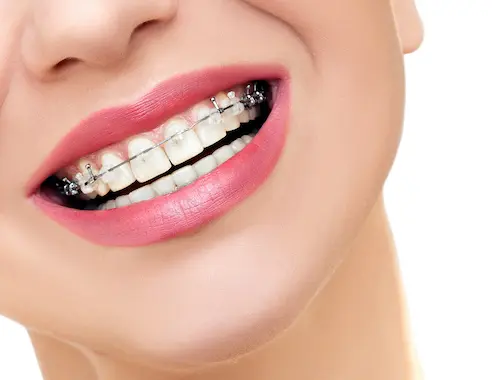
  • Braces, such as traditional metal wires and braces
  • Clear braces such as Invisalign or plastic aligners
  • Elastics
  • Appliances
  • Retainers

The type of orthodontic treatment you need will depend on what your needs are and the best approach to fixing them.

When Your Child Should See an Orthodontist

So, when should your child see an orthodontist? The answer isn’t always so simple.

Many parents start considering braces for their children around ages 12-13. At this age, there is still a lot of growth, so it’s a prime time to be making adjustments to the teeth and jaw.

However, sometimes there are significant orthodontic problems that need to be addressed by an orthodontist at an earlier age, sometimes before the age of 10. Early intervention is key to fixing any problems that might arise and cause larger issues later in life.

The best way to know if your child needs an orthodontic appointment is by continuing regular dental appointments with your child’s dentist. By maintaining dental health and appointments, your pediatric dentist can point out possible problem areas with your child’s jaw structure and teeth. They can also recommend an orthodontist that can help your child.

Here are some possible problems that may need orthodontic assistance.

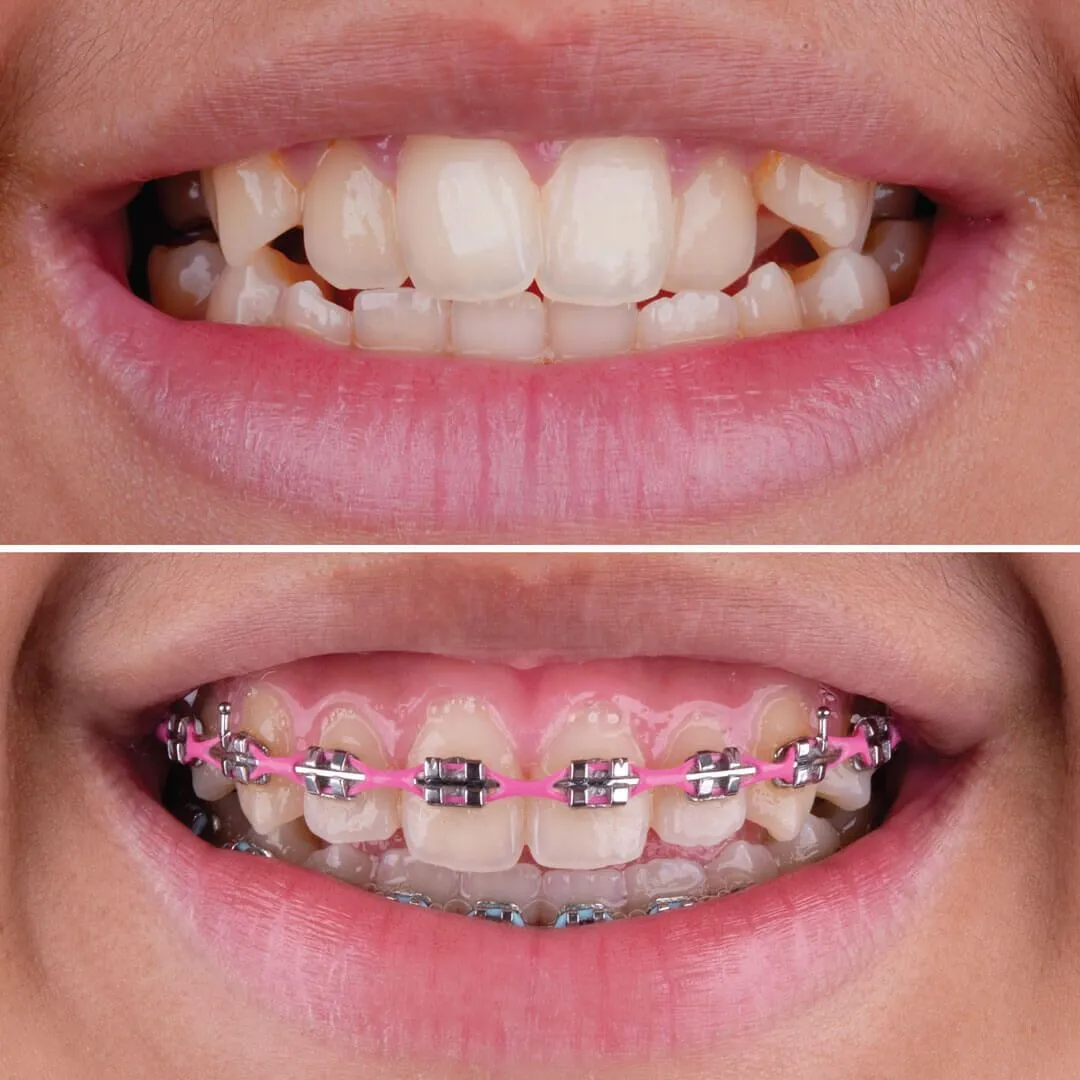
  • Crowded teeth
  • Thumb sucking or sucking on other objects continuously
  • Jaw misalignment
  • Teeth that stick out too far
  • Teeth or jaw grinding
  • Chewing and biting problems
  • Mouth breathing
  • Losing baby teeth too fast or too many at a time
  • Overbite or underbite
  • Any pain in the jaw or face
  • Damaged teeth by trauma or injury
  • Sleep disorder

Again, early intervention will save you time and money! By catching problems at a younger age, you will avoid the risk of a jaw disorder or other medical issues.
//img.enjoy4fun.com/news_icon/csrbgssautsc72gtmcog.PNG

When Should Your Child Get Braces?

The decision to get braces is up to the parent, caregiver, and orthodontist. To see if your child is ready for braces, the orthodontist will do an evaluation. if the child is ready for braces, the orthodontist will set up a treatment plan and review it with you, the caregiver.

There may be times when children are not ready for braces and this is ok. The orthodontist may explain that they still have teeth that need to come in or wait for more growth in their mouth.

Most kids will have braces for a couple of years, but a typical time frame is 18-24 months depending on the case. They’ll also have appointments every 4-6 weeks the check on their progress and make adjustments as necessary, which may be quite painful for a few days. Once their treatment with braces is complete, they usually wear a retainer to keep the teeth in place and ensure no shifting takes place.

What is A Typical Orthodontist Visit Like?

If you’ve scheduled an orthodontist appointment for your child, you might be wondering what to expect. Here are a few things to prepare for.

Since you’re a new patient (most likely!) you’ll have to fill out some paperwork regarding your child’s case. This is so the orthodontist will know why you’re here and what your goals may be.

The orthodontist will then take a look at your child’s teeth and jaw, looking for things like jaw alignment, crooked teeth or teeth that grow abnormally, their bite, or damaged teeth.

Generally speaking, the first orthodontic visit is a consultation to determine if treatment is needed at that time. If the orthodontist believes that treatment is the next step, they’ll create a treatment plan which they’ll review with you before you agree to anything. Once you agree (or not!) you’ll move forward with treatment.

Depending on your child’s case, they may suggest moving forward in phases such as multi-phase, two-phase, or single-phase treatments. This means that other problems need to be addressed and correct in multi- or two-phases before you move forward with braces. For some, heading straight to braces is perfectly normal and saves the patient time and cost.

Other times, the child may not be ready for any treatment or braces. The orthodontist will explain why and when to return.

Braces For Your Child

The field of orthodontics is advanced and there are several treatments that will work well for your child’s oral health. Seeing an orthodontist gives your child the best chance to have not only straight teeth but a well-functioning jaw and mouth for the rest of their life.

Do you need help finding an orthodontist? Our team is confident and compassionate in our dental practice. Contact us today to schedule your appointment or to learn more!

Contact us today to schedule your appointment or for more information!


Relatedsearches


Weight Loss Isn't About Starving! Unveiling the Key to Healthy Fat Loss

Weight Loss Doesn't Have to Be Painful! Small Habits Create Big Changes

Do you think losing weight is too difficult, with endless dieting and exercise feeling overwhelming? Actually, weight loss doesn't require constant hunger and intense training. Scientific research shows that by adopting a few healthy lifestyle habits, we can lose weight effortlessly, enjoy delicious food, and reap the rewards of a healthier body!//img.enjoy4fun.com/news_icon/csmub8t5444c72rg4n40.png

Benefits of Weight Loss: A Balance of Health and Beauty

Losing weight can significantly improve not only your health but also your self-confidence. Here are some of the major benefits:

  • A Healthier Body Shape: Being overweight can be inconvenient for daily activities and, in some cases, may even require assistance to move comfortably. Through weight loss, our bodies become more agile and healthier overall.
  • Reduced Risk of Chronic Illness: For every 10% decrease in body weight, the risk of heart disease drops by over 20%. Weight loss also helps reduce the likelihood of high blood pressure, diabetes, and certain cancers.
  • Enhanced Appearance and Confidence: Losing weight results in a more balanced body shape and boosts self-esteem, making it easier to find clothes that fit well and creating an overall healthier, more confident appearance.
  • Improved Bone Health: Reducing weight lessens stress on the joints, alleviates joint pain, supports bone health, and lowers the risk of osteoporosis.

Scientific Evidence and Real Success Stories: Why Weight Loss Is Worth It

According to a Harvard University study, every 10 kg of weight loss can lead to a 5-10 mm Hg drop in blood pressure for those with hypertension. Additionally, weight loss can improve sleep quality, reduce snoring, and even alleviate mood swings and anxiety. Many successful cases show that through balanced diet and exercise, people not only achieved weight loss but also enjoyed lasting health and happiness.

One patient with high blood pressure reduced their weight by 15 pounds (about 7 kg), and their blood pressure dropped from 150/90 to 120/80, significantly improving cardiovascular health and decreasing reliance on medication.

A 40-year-old with type 2 diabetes lowered their HbA1c levels from 7.5% to 6.0% after a 10% reduction in body weight through a healthy diet and exercise, successfully controlling the condition and reducing dependency on insulin.

A young adult struggling with depression managed to lose 20 pounds (about 9 kg) through consistent aerobic exercise and dietary changes, significantly improving their mental well-being, reducing anxiety, boosting self-confidence, and enhancing social skills.

Simple Tips for Easy Weight Loss

  • Adjust Your Diet: Focus on balanced nutrition and eat small, frequent meals.
  • Incorporate Moderate Exercise: Light exercises like walking, yoga, and cycling are effective, not only helping to burn calories but also improving endurance.
  • Set Up a Weight Loss Plan: Establish a sensible daily eating and exercise plan. Aim for a gradual goal of losing 0.5 to 1 kg per week, making it easier to stick to in the long term.

Common Questions and Misconceptions about Weight Loss

1. Do I have to diet strictly to lose weight?

Not necessarily. Extreme dieting can slow down metabolism, making it easier to regain weight. Balanced nutrition and portion control are more important.

2. Does skipping dinner help with weight loss?

Skipping dinner may slow down your metabolism and, over time, hinder weight loss. It's better to opt for a light, easily digestible meal in the evening.

3. Can I just exercise to lose weight?

While exercise is an essential part of weight loss, diet control and lifestyle changes are equally critical. Relying solely on exercise while ignoring diet can make weight loss more challenging.


A healthy lifestyle and steady effort are the keys to achieving your ideal physique. Remember, it's never too late to start. Take a small step today and move closer to a healthier, more beautiful you!

See More

Achieve Optimal Gut Health with HERONE Probiotics: The Right Way to Take Them

When it comes to gut health, HERONE understands the importance of a balanced microbiome. Probiotics, or "good bacteria," play a crucial role in maintaining digestive health and overall well-being. But are you taking them correctly to get the full benefit? Here’s a simple guide on how to properly incorporate probiotics into your daily routine for optimal results.

What Are Probiotics?

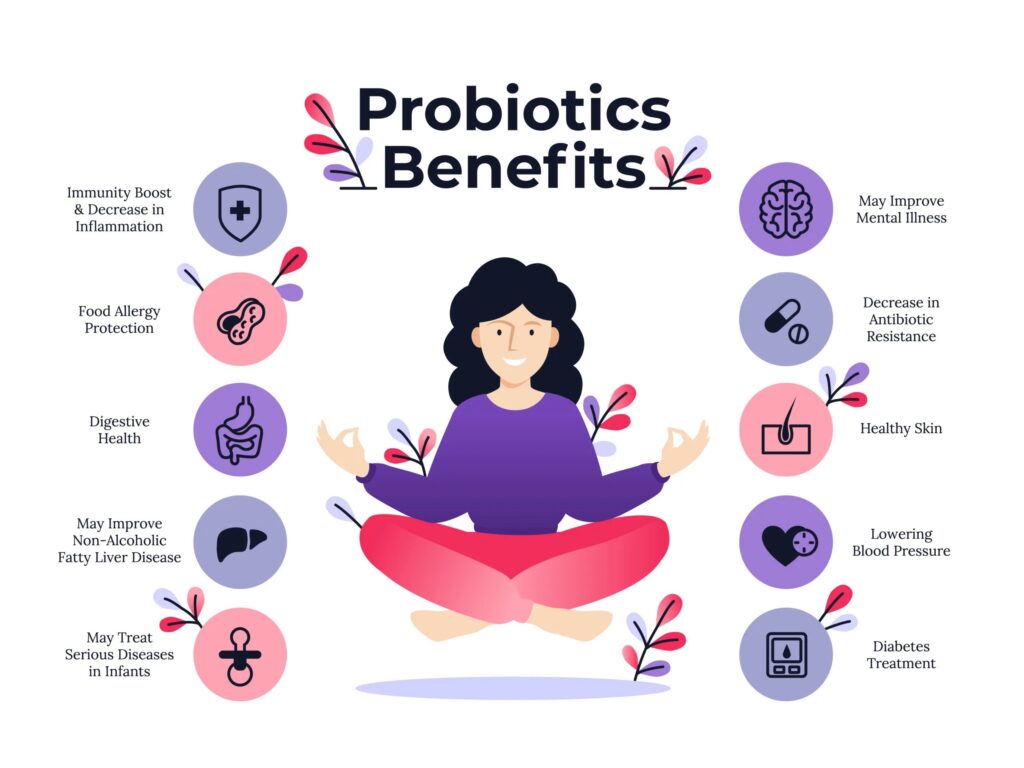
Probiotics are live microorganisms that, when consumed in adequate amounts, offer health benefits. These beneficial bacteria help maintain the natural balance of your gut flora, support digestion, and strengthen your immune system. A balanced microbiome is key to many aspects of health, from digestion to mood regulation and even skin health.

When to Take Probiotics

Timing plays a significant role in the effectiveness of probiotics. To maximize their potential, it’s best to take them on an empty stomach, typically 30 minutes before a meal. This ensures that the probiotics reach your gut without being affected by stomach acid. If you prefer to take them with food, aim for the middle of your meal, as food can buffer stomach acid and help protect the probiotics as they pass through the digestive tract.

How to Choose the Right Probiotics

Not all probiotics are created equal, and choosing the right one can make all the difference. Look for probiotics that contain a variety of bacterial strains, as different strains target different areas of the gut. Some of the most beneficial strains for digestive health include Lactobacillus and Bifidobacterium. HERONE offers high-quality, carefully formulated probiotic supplements that contain a blend of these powerful strains to support a healthy gut.

How Probiotics Support Gut Health

Taking probiotics regularly can improve gut function by balancing the harmful bacteria with beneficial strains. This helps reduce digestive issues like bloating, constipation, and diarrhea. A well-balanced gut also has a positive effect on the immune system, reducing inflammation and supporting overall health. Moreover, studies suggest that probiotics can also support mental health by reducing symptoms of anxiety and depression, as the gut and brain are closely connected.

Maximizing Probiotic Effectiveness

To get the most out of your probiotics, store them properly in a cool, dry place away from heat and humidity. It’s also important to avoid taking them with antibiotics, as they can kill both harmful and beneficial bacteria. Finally, combining probiotics with a healthy diet rich in fiber will help the probiotics thrive and function effectively.


Probiotics are a powerful tool for improving gut health, digestion, and overall well-being, but taking them correctly is essential for maximizing their benefits. By choosing the right probiotic supplement, taking it at the right time, and maintaining consistency, HERONE ensures that you support your digestive system in the most effective way. Whether you take them in supplement form or from natural food sources, probiotics are a key part of a healthy lifestyl

See More