Healthcare

Insomnia Home Remedies: Helping You Sleep Soundly

Insomnia has become a health problem for many people, affecting not only our physical health, but also our mood, work efficiency and interpersonal relationships. If you have been suffering from insomnia, why not try these home remedies for insomnia?

1. Herbal teas

Many plants and herbs have been shown to soothe nerves and promote sleep. The following herbal teas are particularly popular:

  • Chamomile tea: Chamomile has a mild sedative effect, which can reduce anxiety, relax nerves and help you fall asleep.
  • Valerian tea: Studies have shown that valerian can help improve sleep quality, especially when you have trouble falling asleep.
  • Lavender tea: Lavender can help relieve stress, anxiety and improve sleep quality.
  • Mint tea: Mint can relieve gastrointestinal discomfort, relax the body and help you fall asleep.

These herbal teas usually have no side effects and can be used as a relaxing drink before bed to help the body achieve optimal sleep.

2. Warm bath

A warm, relaxing bath before bed may help you fall asleep. It is recommended to take a warm bath 1-2 hours before bedtime, with the water temperature kept at around 38-40°C. Consider adding some natural essential oils to the bathtub, such as lavender, chamomile, etc., which have a natural soothing effect.

3. Meditation and relaxation exercises before bed

Meditation and relaxation techniques can not only help relax the body, but also clear the mind and make the mood peaceful. Here are some common meditation and relaxation methods:

  • Deep breathing exercises: Deep breathing can slow down the heartbeat, lower blood pressure, and help the body enter a state of relaxation. A common exercise is the "4-7-8 breathing method": count to 4 when inhaling, count to 7 when holding the breath, and count to 8 when exhaling, repeating several cycles.
  • Progressive muscle relaxation: Starting from the toes, gradually focus on the muscles of each part of the body, and alternate between tension and relaxation in each part. It helps reduce tension and helps the body enter sleep mode.
  • Mindfulness meditation: Relieve stress by focusing and observing your own feelings. You can eliminate anxiety and stress through meditation before going to bed and let your mind enter a relaxed state.

These methods do not require special tools, just some time and patience, and can effectively relieve insomnia symptoms.

Relatedsearches

4. Improve the sleeping environment

A quiet, comfortable and refreshing sleeping environment can significantly improve your sleep quality. How to improve the sleeping environment? Here are some simple and effective methods:

  • Keep the bedroom dark: It is recommended to draw the curtains before going to bed to prevent any light source from entering the bedroom. If the environment is not dark enough, you can consider using an eye mask.
  • Reduce noise: You can use earplugs, or play some soft white noise or natural sounds, such as rain, waves, etc., to reduce environmental noise.
  • Adjust the indoor temperature: Adjust the temperature, humidity and air quality of the bedroom. Generally speaking, 24 degrees and 60% humidity are the best for the human body.
  • Comfortable bedding: Choose a mattress and pillow with moderate hardness to allow the body to be completely relaxed.

5. Avoid irritants

Avoiding eating or drinking irritants before going to bed is a simple and effective way to help sleep. Here are a few points to note:

  • Reduce caffeine intake: Coffee, tea, cola and other caffeinated beverages can stimulate the central nervous system and make it more difficult to fall asleep. Try to avoid drinking these beverages in the afternoon or evening.
  • Avoid drinking: Although alcohol may make people feel sleepy in the short term, it will interfere with the quality of sleep, causing nighttime awakening or shallow sleep. It is best to avoid drinking before going to bed.
  • Avoid large meals: Eating too much or eating too greasy food can make the stomach uncomfortable and affect the quality of sleep. It is best to finish dinner 2-3 hours before going to bed and avoid heavy food.

6. Regular work and rest time

Maintaining a fixed time for going to bed and getting up as much as possible will make our body more "safe" and we can naturally fall asleep at the right time.

7. Warm milk or honey water

Tryptophan in milk is a precursor to help make melatonin, while honey helps stabilize blood sugar and avoid waking up at night due to hunger or hypoglycemia. A glass of warm milk or honey water before going to bed can create good conditions for falling asleep.

Although insomnia is a common problem, it is not unsolvable. Through some simple and natural home remedies, such as herbal teas, warm baths, meditation and relaxation, etc., it can effectively improve sleep quality and alleviate the troubles of insomnia. When trying these methods, keeping a relaxed mind, developing a regular work and rest habit, and creating a comfortable sleeping environment will help you get better sleep. If the insomnia problem persists and affects your daily life, it is recommended to consult a doctor in time and seek professional medical help.

What Is the Best Age to Start Orthodontic Treatment?

Over 4 million people in the United States have braces, many of them teenagers. But when it comes to your child, who may be much younger, you might be thinking, when is the best time to start orthodontics?

//img.enjoy4fun.com/news_icon/csrbgccautsc72gthjm0.PNG

While orthodontic treatment varies widely among children, there are some ages at which parents need to have their child’s teeth evaluated.

Contact us today to schedule your appointment or for more information!


What is Orthodontics?

The dental field of orthodontics focuses primarily on the alignment of the teeth, jaw, and bite, not only for cosmetic purposes but for functionality. Orthodontics is a specialty field and requires more study, knowledge, and certification. The doctors that study orthodontics are called orthodontists.

Orthodontists see anyone – adult or child – who wishes to have cosmetic work done to their teeth and jaw. They fix crooked teeth, misaligned jaws, craniofacial issues, and more.

Types of Orthodontic Treatments

Orthodontists use a variety of treatments to create straight teeth. Here is a list of several treatments that may be used.

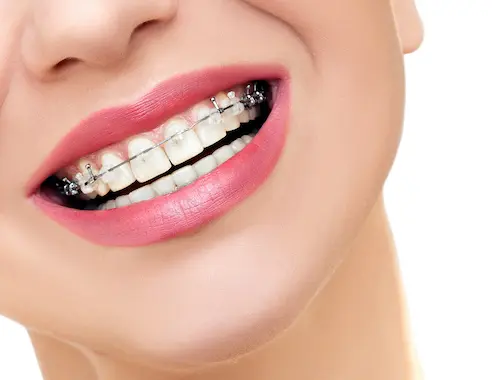
  • Braces, such as traditional metal wires and braces
  • Clear braces such as Invisalign or plastic aligners
  • Elastics
  • Appliances
  • Retainers

The type of orthodontic treatment you need will depend on what your needs are and the best approach to fixing them.

When Your Child Should See an Orthodontist

So, when should your child see an orthodontist? The answer isn’t always so simple.

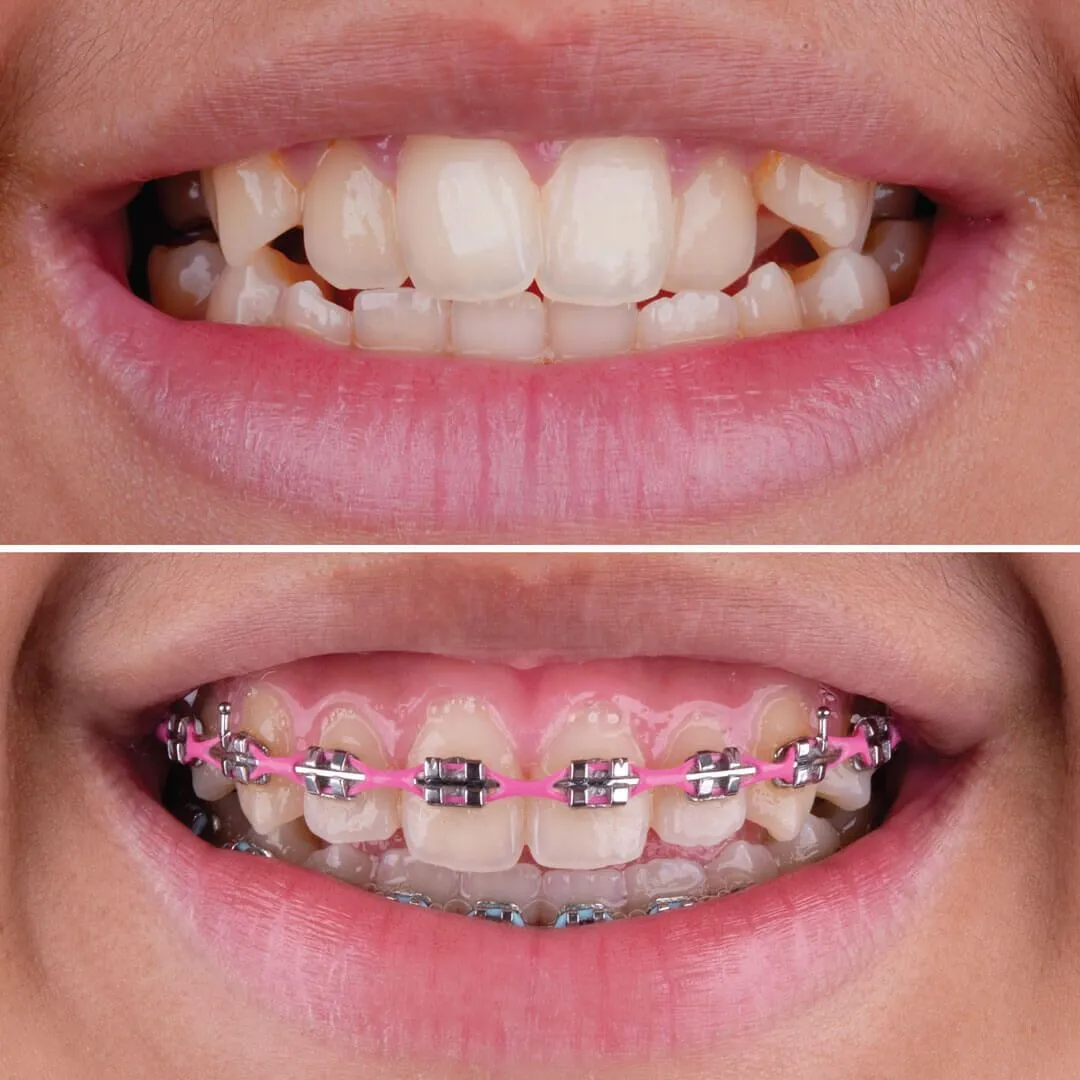
Many parents start considering braces for their children around ages 12-13. At this age, there is still a lot of growth, so it’s a prime time to be making adjustments to the teeth and jaw.

However, sometimes there are significant orthodontic problems that need to be addressed by an orthodontist at an earlier age, sometimes before the age of 10. Early intervention is key to fixing any problems that might arise and cause larger issues later in life.

The best way to know if your child needs an orthodontic appointment is by continuing regular dental appointments with your child’s dentist. By maintaining dental health and appointments, your pediatric dentist can point out possible problem areas with your child’s jaw structure and teeth. They can also recommend an orthodontist that can help your child.

Here are some possible problems that may need orthodontic assistance.

  • Crowded teeth
  • Thumb sucking or sucking on other objects continuously
  • Jaw misalignment
  • Teeth that stick out too far
  • Teeth or jaw grinding
  • Chewing and biting problems
  • Mouth breathing
  • Losing baby teeth too fast or too many at a time
  • Overbite or underbite
  • Any pain in the jaw or face
  • Damaged teeth by trauma or injury
  • Sleep disorder

Again, early intervention will save you time and money! By catching problems at a younger age, you will avoid the risk of a jaw disorder or other medical issues.

//img.enjoy4fun.com/news_icon/csrbgssautsc72gtmcog.PNG

When Should Your Child Get Braces?

The decision to get braces is up to the parent, caregiver, and orthodontist. To see if your child is ready for braces, the orthodontist will do an evaluation. if the child is ready for braces, the orthodontist will set up a treatment plan and review it with you, the caregiver.

There may be times when children are not ready for braces and this is ok. The orthodontist may explain that they still have teeth that need to come in or wait for more growth in their mouth.

Most kids will have braces for a couple of years, but a typical time frame is 18-24 months depending on the case. They’ll also have appointments every 4-6 weeks the check on their progress and make adjustments as necessary, which may be quite painful for a few days. Once their treatment with braces is complete, they usually wear a retainer to keep the teeth in place and ensure no shifting takes place.

What is A Typical Orthodontist Visit Like?

If you’ve scheduled an orthodontist appointment for your child, you might be wondering what to expect. Here are a few things to prepare for.

Since you’re a new patient (most likely!) you’ll have to fill out some paperwork regarding your child’s case. This is so the orthodontist will know why you’re here and what your goals may be.

The orthodontist will then take a look at your child’s teeth and jaw, looking for things like jaw alignment, crooked teeth or teeth that grow abnormally, their bite, or damaged teeth.

Generally speaking, the first orthodontic visit is a consultation to determine if treatment is needed at that time. If the orthodontist believes that treatment is the next step, they’ll create a treatment plan which they’ll review with you before you agree to anything. Once you agree (or not!) you’ll move forward with treatment.

Depending on your child’s case, they may suggest moving forward in phases such as multi-phase, two-phase, or single-phase treatments. This means that other problems need to be addressed and correct in multi- or two-phases before you move forward with braces. For some, heading straight to braces is perfectly normal and saves the patient time and cost.

Other times, the child may not be ready for any treatment or braces. The orthodontist will explain why and when to return.

Braces For Your Child

The field of orthodontics is advanced and there are several treatments that will work well for your child’s oral health. Seeing an orthodontist gives your child the best chance to have not only straight teeth but a well-functioning jaw and mouth for the rest of their life.

Do you need help finding an orthodontist? Our team is confident and compassionate in our dental practice. Contact us today to schedule your appointment or to learn more!

Contact us today to schedule your appointment or for more information!


Relatedsearches


See More

Weight Loss Isn't About Starving! Unveiling the Key to Healthy Fat Loss

Weight Loss Doesn't Have to Be Painful! Small Habits Create Big Changes

Do you think losing weight is too difficult, with endless dieting and exercise feeling overwhelming? Actually, weight loss doesn't require constant hunger and intense training. Scientific research shows that by adopting a few healthy lifestyle habits, we can lose weight effortlessly, enjoy delicious food, and reap the rewards of a healthier body!//img.enjoy4fun.com/news_icon/csmub8t5444c72rg4n40.png

Benefits of Weight Loss: A Balance of Health and Beauty

Losing weight can significantly improve not only your health but also your self-confidence. Here are some of the major benefits:

  • A Healthier Body Shape: Being overweight can be inconvenient for daily activities and, in some cases, may even require assistance to move comfortably. Through weight loss, our bodies become more agile and healthier overall.
  • Reduced Risk of Chronic Illness: For every 10% decrease in body weight, the risk of heart disease drops by over 20%. Weight loss also helps reduce the likelihood of high blood pressure, diabetes, and certain cancers.
  • Enhanced Appearance and Confidence: Losing weight results in a more balanced body shape and boosts self-esteem, making it easier to find clothes that fit well and creating an overall healthier, more confident appearance.
  • Improved Bone Health: Reducing weight lessens stress on the joints, alleviates joint pain, supports bone health, and lowers the risk of osteoporosis.

Scientific Evidence and Real Success Stories: Why Weight Loss Is Worth It

According to a Harvard University study, every 10 kg of weight loss can lead to a 5-10 mm Hg drop in blood pressure for those with hypertension. Additionally, weight loss can improve sleep quality, reduce snoring, and even alleviate mood swings and anxiety. Many successful cases show that through balanced diet and exercise, people not only achieved weight loss but also enjoyed lasting health and happiness.

One patient with high blood pressure reduced their weight by 15 pounds (about 7 kg), and their blood pressure dropped from 150/90 to 120/80, significantly improving cardiovascular health and decreasing reliance on medication.

A 40-year-old with type 2 diabetes lowered their HbA1c levels from 7.5% to 6.0% after a 10% reduction in body weight through a healthy diet and exercise, successfully controlling the condition and reducing dependency on insulin.

A young adult struggling with depression managed to lose 20 pounds (about 9 kg) through consistent aerobic exercise and dietary changes, significantly improving their mental well-being, reducing anxiety, boosting self-confidence, and enhancing social skills.

Simple Tips for Easy Weight Loss

  • Adjust Your Diet: Focus on balanced nutrition and eat small, frequent meals.
  • Incorporate Moderate Exercise: Light exercises like walking, yoga, and cycling are effective, not only helping to burn calories but also improving endurance.
  • Set Up a Weight Loss Plan: Establish a sensible daily eating and exercise plan. Aim for a gradual goal of losing 0.5 to 1 kg per week, making it easier to stick to in the long term.

Common Questions and Misconceptions about Weight Loss

1. Do I have to diet strictly to lose weight?

Not necessarily. Extreme dieting can slow down metabolism, making it easier to regain weight. Balanced nutrition and portion control are more important.

2. Does skipping dinner help with weight loss?

Skipping dinner may slow down your metabolism and, over time, hinder weight loss. It's better to opt for a light, easily digestible meal in the evening.

3. Can I just exercise to lose weight?

While exercise is an essential part of weight loss, diet control and lifestyle changes are equally critical. Relying solely on exercise while ignoring diet can make weight loss more challenging.


A healthy lifestyle and steady effort are the keys to achieving your ideal physique. Remember, it's never too late to start. Take a small step today and move closer to a healthier, more beautiful you!

See More