Healthy Eating

Exploring the Versatility of Rotisserie Chicken in Modern Cooking

The humble rotisserie chicken has emerged as a versatile ingredient that can transform meals from ordinary to extraordinary. Whether you're looking for a quick dinner solution or an elegant dish, this pre-cooked poultry offers convenience and flavor. From vibrant salads to hearty soups, discover how this staple can elevate your culinary creations with minimal effort. The article explores various recipes that highlight the adaptability of rotisserie chicken, ensuring meals are not only delicious but also healthy and easy to prepare.

Revitalizing Salads with Rotisserie Chicken

Salads become more than just a side dish when infused with the rich flavors of rotisserie chicken. Incorporating this ingredient adds depth and substance, making them perfect for both casual lunches and formal dinners. The key lies in pairing the chicken with fresh ingredients and zesty dressings, creating a balanced meal that satisfies without being overly heavy. Experimenting with different greens, herbs, and toppings can lead to endless variations, catering to diverse tastes and preferences.

One standout recipe combines arugula, cilantro, scallions, and a lime-garlic dressing to create a refreshing salad that bursts with flavor. If arugula isn't available, substitute it with other leafy greens like spinach or kale. Adding avocado takes the dish to another level, offering creaminess and richness. Another option is Eric Kim's take on the Chinese chicken salad, which introduces crunch with sliced almonds and julienned carrots, along with a tangy dressing. These salads prove that rotisserie chicken can be the foundation of light yet satisfying meals, perfect for any occasion.

Heartwarming Soups and Sandwiches Featuring Rotisserie Chicken

Rotisserie chicken shines in heartier dishes such as soups and sandwiches, where its tender texture and savory taste enhance the overall experience. These recipes not only provide comfort but also offer nutritional benefits, making them ideal for busy weeknights or cozy evenings at home. By integrating this ingredient into traditional favorites, cooks can streamline preparation while maintaining quality and flavor.

For example, Sarah DiGregorio’s tortilla soup showcases the deep roasted flavors achieved through broiling jalapeños, tomatoes, garlic, and onions before adding the chicken. Toppings like crushed chips and Greek yogurt add extra layers of taste and texture. Similarly, Lidey Heuck’s white chicken chili combines a creamy white bean base with green chiles, corn, and chicken, resulting in a wholesome and comforting bowl. On the sandwich front, her chicken salad sandwich features avocado and green goddess dressing, spiked with crushed chips for added crunch. Additionally, Andy Baraghani’s lentil soup uses rotisserie chicken to reduce cooking time, complemented by a rich chicken broth and lemony yogurt. These dishes demonstrate the versatility of rotisserie chicken in creating nourishing and flavorful meals that cater to various dietary needs.

2025 Guide to Dental Care Subsidies!

2025 Guide to Dental Care Subsidies

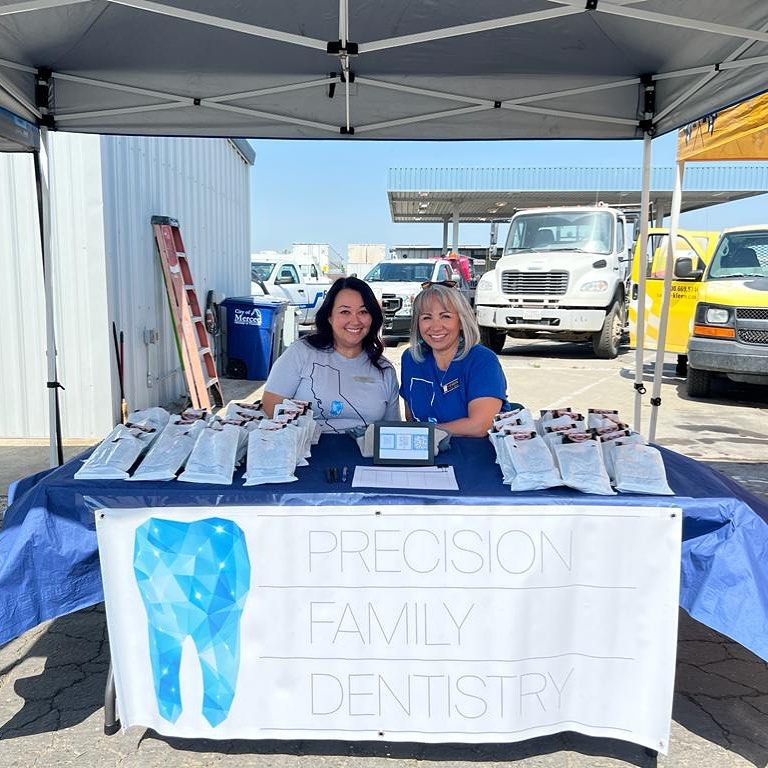
Dental health is crucial, yet the cost of dental care often deters many from seeking necessary oral health care. From routine teeth cleaning to complex treatments, expenses can become a barrier to accessing essential oral health services. The good news is that in 2025, there are various dental care subsidy programs available for application, helping to alleviate financial burdens and ensure that everyone can enjoy quality dental care services.
//img.enjoy4fun.com/news_icon/cump3nirvs1c72pdq920.jpg

I. Understanding Dental Care Subsidies

Dental care subsidies are financial aid programs specifically set up to help individuals or families pay for dental treatment costs. These subsidies are typically funded by government agencies, charitable organizations, dental insurance companies, or businesses. In 2025, as the importance of overall health continues to increase, the scope of dental care subsidy programs is also expanding, covering everything from preventive care to treatment and restoration. For example, some subsidy programs encourage regular oral check-ups and cleanings to prevent oral diseases; while for those suffering from severe oral conditions such as cavities, periodontitis, or tooth loss requiring treatment, there are specialized subsidies to alleviate the financial pressure of treatment costs.

II. Determining Your Eligibility

Before applying for dental care subsidies, it is crucial to determine whether you meet the eligibility criteria. Different subsidy programs have varying qualification standards, but generally, the following factors are considered:

  • Income level: Many subsidy programs prioritize low-income families or individuals, determining eligibility based on household size and total income. Generally, those with incomes below a certain percentage of the local poverty line are more likely to qualify for subsidies.
  • Age factors: Children, the elderly, and individuals with disabilities are often the focus of dental care subsidies. For example, subsidy programs for children may focus on preventing cavities and early orthodontics; while the elderly, due to the prevalence of dental health issues, may have dedicated subsidy programs for filling and denture services.
  • Special circumstances: Those with certain systemic diseases such as diabetes or cardiovascular diseases, which can exacerbate oral problems, may be more likely to receive dental care subsidies. Additionally, there may be corresponding subsidy policies for those who have experienced dental damage due to accidental injuries.
  • Geographical restrictions: Some subsidy programs are only open to residents of specific areas, which could be a particular city, state, or community. Therefore, it is important to carefully confirm whether your area is within the scope of the subsidy before applying.

III. Application Process

  • Research subsidy programs: Collect information on suitable dental care subsidy programs through government health department websites, charity organization official websites, dental association websites, etc. Understand the scope of each program, application requirements, and deadlines.
  • Prepare application materials: Typically required materials include identification (such as ID cards, driver's licenses, etc.), income verification (pay stubs, tax returns, etc.), proof of residence (utility bills, rental contracts, etc.), and dental diagnosis reports (issued by professional dentists, detailing dental issues and treatment plans). For applications on behalf of children or individuals with disabilities, additional proof documents are required.
  • Fill out the application form: Complete the application form according to the requirements of the subsidy program. Ensure that the information provided is accurate and includes personal basic information, dental health status, the amount and purpose of the subsidy applied for, etc.
  • Submit the application: Submit the prepared application materials and completed application form to the subsidy distribution agency in the specified manner. Options include online submission, mailing, or personal delivery. Be sure to complete the submission before the application deadline.
  • Wait for review: The subsidy distribution agency will review the application, and the review time may vary depending on the program, usually ranging from a few weeks to several months. During this time, keep your phone line open to respond promptly to inquiries from the review agency.

IV. Increasing the Chances of Approval

  • Ensure that application materials are complete and accurate: Carefully check the application materials to ensure all information is truthful and valid, avoiding the rejection of applications due to missing or incorrect materials. If additional materials are needed, provide them promptly according to the requirements.
  • Highlight needs and difficulties: In the application, detail the impact of dental health issues on daily life and health, as well as financial difficulties, allowing the review personnel to fully understand your needs. For example, describe situations where tooth pain prevents normal eating, working, or studying.
  • Seek professional help: If unfamiliar with the application process or uncertain about how to fill out the application form, consult professional dentists, community health center staff, or legal aid organizations. They may provide useful advice and guidance.
  • Plan application time in advance: Avoid rushing to submit an application just before the deadline. Preparing and submitting the application in advance allows the review agency more time to process your application and also demonstrates your seriousness and sincerity about the application.

V. Sharing Successful Cases

Emily's story: Emily is a single mother with a meager income, raising two children. Her youngest son has had severe cavities for a long time, but due to the high cost of treatment, she has been unable to afford it. After learning about a local dental care subsidy program for low-income families with children, Emily submitted an application. After review, her son successfully received the subsidy and completed the cavity treatment, ensuring his dental health.

Mr. Zhang's experience: Mr. Zhang is a retired elderly person with diabetes and increasingly severe dental problems. He needs to have dentures and periodontal treatment, but the cost is a huge pressure for him. Through the introduction of community staff, Mr. Zhang applied for a dental care subsidy program specifically set up for the elderly and those with chronic diseases. After submitting the application and undergoing review, he received a subsidy for part of the treatment costs, allowing him to receive the necessary treatment, improve his oral health, and enhance his quality of life.

Relatedsearches

In 2025, dental care subsidies provide valuable support for those who need dental treatment but face financial difficulties. By understanding subsidy programs, determining eligibility, carefully applying, and taking effective measures to increase the chances of approval, you may be able to obtain the necessary financial assistance, giving yourself and your family healthy teeth and a bright smile. Do not neglect dental health due to cost issues.

See More

Comprehensive Guide to Macular Degeneration: Causes, Symptoms, and Treatment Options

Age-related macular degeneration (AMD) is a leading cause of vision loss in older adults, affecting millions of people worldwide. If you or someone you know is experiencing changes in vision, understanding macular degeneration is crucial for early detection and effective management.

What Is Macular Degeneration?

Macular degeneration, also known as age-related macular degeneration (AMD), is a progressive disease that affects the central part of the retina, called the macula. The macula is responsible for sharp, detailed central vision, which is essential for tasks like reading, driving, and recognizing faces. AMD typically develops as people age, although genetic factors and environmental influences can also play a role.

There are two main types of AMD:

  1. Dry Macular Degeneration : This is the most common form, accounting for about 85-90% of cases. It progresses slowly and involves the gradual thinning of the macula.
  2. Wet Macular Degeneration : This is less common but more severe. It occurs when abnormal blood vessels grow under the retina, causing leakage and scarring, which can lead to rapid vision loss.

//img.enjoy4fun.com/news_icon/cumml6o2vk8s72pek6h0.jpg

Causes of Macular Degeneration

While the exact cause of AMD is not fully understood, several risk factors have been identified:

  • Age : The risk increases significantly after the age of 50.
  • Genetics : Family history plays a significant role in the development of AMD.
  • Smoking : Smoking doubles the risk of developing AMD.
  • Diet : Poor diet, especially low intake of antioxidants, may contribute to AMD.
  • Sun Exposure : Prolonged exposure to UV light can damage the eyes.
  • Cardiovascular Health : Conditions like high blood pressure and high cholesterol increase the risk.

Symptoms of Macular Degeneration

Early detection is key to managing AMD effectively. Common symptoms include:

  • Blurred Central Vision : Difficulty seeing fine details, even with glasses.
  • Dark or Blank Spots : Areas of vision may appear dark or distorted.
  • Straight Lines Appear Wavy : Objects may appear bent or wavy, especially when looking straight ahead.
  • Color Changes : Colors may appear less vibrant or washed out.
  • Difficulty Adapting to Low Light : Trouble seeing in dim lighting.

If you notice any of these symptoms, it’s important to consult an eye specialist immediately.

Diagnosis and Treatment Options

Diagnosis

AMD is typically diagnosed through a combination of tests, including:

  • Visual Acuity Test : Measures the sharpness of your central vision.
  • Dilated Eye Exam : Allows the doctor to examine the back of the eye for signs of AMD.
  • Optical Coherence Tomography (OCT) : Provides detailed images of the retina.
  • Fluorescein Angiography : Uses dye to visualize blood flow in the retina.

Treatment Options

While there is currently no cure for AMD, various treatments can help slow its progression and manage symptoms:

  1. Dry AMD :Nutritional Supplements : Antioxidants like vitamins C and E, lutein, zeaxanthin, and zinc can help slow the progression of dry AMD.Regular Monitoring : Frequent eye exams to monitor for changes that could indicate wet AMD.
  2. Wet AMD :Anti-VEGF Injections : Medications like Lucentis, Avastin, and Eylea are injected directly into the eye to block the growth of abnormal blood vessels.Photodynamic Therapy : A light-sensitive drug is injected, followed by laser treatment to destroy abnormal blood vessels.Surgery : In some cases, surgery may be recommended to remove scar tissue or abnormal blood vessels.

Preventing Macular Degeneration

While AMD cannot always be prevented, certain lifestyle choices can reduce your risk:

  • Healthy Diet : Eat plenty of fruits and vegetables rich in antioxidants.
  • Regular Exercise : Maintain a healthy weight and engage in regular physical activity.
  • Quit Smoking : Avoid smoking or quit if you smoke.
  • Protect Your Eyes : Wear sunglasses that block UV rays and blue light.
  • Regular Eye Exams : Schedule routine eye exams to catch early signs of AMD.

Conclusion

Macular degeneration is a serious condition that can significantly impact your quality of life. Early detection and proactive management are key to preserving your vision. By understanding the causes, symptoms, and treatment options, you can take steps to protect your eye health and maintain clear vision for years to come.

If you suspect you or a loved one may have macular degeneration, don’t hesitate to schedule an appointment with an eye specialist. Early intervention can make a world of difference.

See More