Healthcare

Multiple Sclerosis: Understanding, Diagnosis, and Management

Introduction

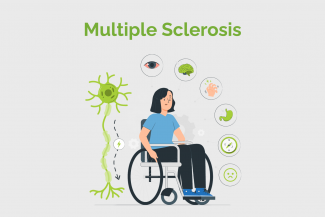
Multiple Sclerosis (MS) is a chronic, progressive neurological condition affecting the central nervous system (CNS), which includes the brain and spinal cord. It is characterized by the immune system attacking the protective sheath (myelin) covering nerve fibers, causing inflammation and damage. This disruption in communication between the brain and other parts of the body can lead to a range of physical and cognitive symptoms. MS varies greatly in its presentation and progression, making it a complex condition to understand and manage.
//img.enjoy4fun.com/news_icon/cqkqdiccts07vo46e0f0.png

Symptoms

The symptoms of Multiple Sclerosis can vary widely among individuals and may include:

- Fatigue: One of the most common symptoms, often debilitating and not necessarily correlated with the level of physical activity.

- Motor Symptoms: Difficulty with coordination and balance, muscle weakness, and spasticity.

- Sensory Symptoms: Numbness, tingling, or a “pins and needles” sensation in various parts of the body.

- Vision Problems: Blurred or double vision, and in some cases, temporary loss of vision (optic neuritis).

- Cognitive Changes: Difficulties with memory, concentration, and problem-solving.

- Bladder and Bowel Issues: Urinary urgency, frequency, or incontinence, and constipation.

- Emotional Changes: Depression, mood swings, and anxiety.

Causes and Risk Factors

The exact cause of Multiple Sclerosis is unknown, but several factors may contribute to its development:

- Genetic Factors: Having a family history of MS can increase risk, though the condition is not directly inherited.

- Environmental Factors: Geographic location (higher prevalence in temperate climates), vitamin D deficiency, and smoking are associated with increased risk.

- Autoimmune Mechanism: MS is considered an autoimmune disease where the immune system mistakenly attacks myelin.

- Viral Infections: Some studies suggest that certain viral infections may trigger the autoimmune response leading to MS.

Diagnosis

Diagnosing Multiple Sclerosis involves a combination of clinical evaluation, imaging, and laboratory tests:

- Neurological Examination: Assessing symptoms, reflexes, coordination, and cognitive function.

- Magnetic Resonance Imaging (MRI)**: Detecting lesions or plaques in the brain and spinal cord that are characteristic of MS.

- Lumbar Puncture (Spinal Tap)**: Analyzing cerebrospinal fluid for markers of inflammation and abnormal immune activity.

- Evoked Potentials: Testing the electrical activity in the brain in response to stimuli to detect delays in nerve signal transmission.

Types of Multiple Sclerosis

There are several forms of MS, each with different patterns of progression:

- Relapsing-Remitting MS (RRMS): The most common form, characterized by clear episodes of worsening symptoms (relapses) followed by periods of partial or complete recovery (remissions).

- Secondary Progressive MS (SPMS): Follows an initial relapsing-remitting course but progresses to a phase where symptoms gradually worsen without distinct relapses and remissions.

- Primary Progressive MS (PPMS): Characterized by a gradual worsening of symptoms from the onset without distinct relapses or remissions.

- Progressive-Relapsing MS (PRMS): A rare form that involves a steady progression of symptoms with occasional relapses.

Management and Treatment

While there is no cure for Multiple Sclerosis, various treatments can help manage symptoms, modify the course of the disease, and improve quality of life:

- Disease-Modifying Therapies (DMTs): Medications designed to slow the progression of the disease and reduce the frequency of relapses. Examples include interferons, glatiramer acetate, and newer oral medications like fingolimod and dimethyl fumarate.

- Symptomatic Treatments: Addressing specific symptoms with medications such as muscle relaxants for spasticity, anticholinergics for bladder issues, and antidepressants for mood disorders.

- Physical Therapy: Helps improve mobility, strength, and coordination. Tailored exercise programs can enhance physical function and manage fatigue.

- Occupational Therapy: Assists with adapting daily activities and environments to maintain independence and manage cognitive or physical challenges.

- Lifestyle Modifications: Maintaining a healthy diet, regular exercise, and stress management can be beneficial. Smoking cessation and moderating alcohol intake are also advised.

- Psychological Support: Counseling and support groups can help individuals cope with the emotional and psychological impact of MS.

Conclusion

Multiple Sclerosis is a complex and variable condition that affects many aspects of life. Understanding the disease, recognizing its symptoms, and pursuing appropriate medical care and support are crucial for managing the condition effectively. With advancements in research and treatment options, people with MS can work towards maintaining a good quality of life and achieving their personal and professional goals. Early diagnosis and a comprehensive management plan tailored to individual needs are key to navigating the challenges of MS and improving overall well-being.

Relatedsearches

Understanding Autism: A Comprehensive Guide

What is Autism?

Autism, or Autism Spectrum Disorder (ASD), is a developmental disorder characterized by challenges in social interaction, communication, and repetitive behaviors. Autism is a spectrum condition, meaning it affects individuals differently and to varying degrees. Some people with autism may require significant support in their daily lives, while others may live independently and succeed in their professions.

//img.enjoy4fun.com/news_icon/cqjitouv52s8ian3c5dg.jpg

Signs and Symptoms

The signs and symptoms of autism can vary widely among individuals. Common symptoms include difficulties in communication and social interactions, restricted interests, and repetitive behaviors. Some children may show signs of autism within the first year of life, while others may develop normally before suddenly losing previously acquired skills. Early diagnosis and intervention are crucial for improving outcomes.

Causes and Risk Factors

The exact cause of autism remains unknown, but research suggests that both genetic and environmental factors play a role. Several genes have been associated with ASD, and studies indicate that children born to older parents are at a higher risk. Additionally, complications during pregnancy and birth, as well as certain environmental exposures, may increase the likelihood of developing autism.

Relatedsearches

Diagnosis and Treatment

Diagnosing autism involves comprehensive evaluations by a team of healthcare professionals, including pediatricians, psychologists, and speech therapists. Early intervention therapies, such as behavioral therapy, speech therapy, and occupational therapy, are crucial in helping children with autism develop essential skills. While there is no cure for autism, these interventions can significantly improve a child's quality of life.

Living with Autism

Living with autism presents unique challenges, but with the right support, individuals can lead fulfilling lives. Families and caregivers play a vital role in providing support and creating a nurturing environment. Educational programs tailored to the needs of individuals with autism can help them achieve their potential. Increased awareness and acceptance in society are also crucial for improving the lives of those with autism.

Relatedsearches

See More

New Treatments for Her2 Positive Breast Cancer

Her2 positive breast cancer is a subtype of breast cancer that affects a significant number of women. In recent years, there have been groundbreaking advancements in the treatment of this specific type of breast cancer. This article explores the new treatments and therapies that have emerged, providing insights into the latest developments in the field of Her2 positive breast cancer treatment.

Check out these links to learn more:

//img.enjoy4fun.com/news_icon/cqjirr6v52s5b4fnpjj0.png

Understanding Her2 Positive Breast Cancer

Before delving into the latest treatments, it is essential to understand what Her2 positive breast cancer is. Her2, which stands for Human Epidermal Growth Factor Receptor 2, is a protein that can promote the growth of cancer cells. When breast cancer is Her2 positive, it means that the cancer cells have higher than normal levels of the Her2 protein.

Traditional Treatment Approaches

Historically, the treatment of Her2 positive breast cancer involved a combination of surgery, chemotherapy, radiation therapy, and hormone therapy. While these treatments have been effective to some extent, there was a need for more targeted and personalized approaches to improve outcomes for patients.

Emerging Therapies for Her2 Positive Breast Cancer

In recent years, significant progress has been made in developing new therapies specifically targeting Her2 positive breast cancer. One of the most notable advancements is the development of targeted therapies that specifically block the Her2 protein, inhibiting the growth of cancer cells.

Key Advancements in Her2 Positive Breast Cancer Treatment

One of the key advancements in the treatment of Her2 positive breast cancer is the introduction of Her2-targeted therapies such as Trastuzumab (Herceptin), Pertuzumab (Perjeta), and T-DM1 (Kadcyla). These targeted therapies have shown remarkable efficacy in improving outcomes for patients with Her2 positive breast cancer.

Immunotherapy and Combination Therapies

Immunotherapy, which harnesses the power of the immune system to target cancer cells, has also shown promise in the treatment of Her2 positive breast cancer. Additionally, combination therapies that combine targeted treatments with traditional approaches are being explored to further enhance treatment outcomes.

Check out these links to learn more:

Relatedsearches

Precision Medicine and Personalized Treatment Plans

The advent of precision medicine has revolutionized the approach to treating Her2 positive breast cancer. By analyzing the genetic makeup of the tumor, doctors can tailor treatment plans to target specific genetic mutations, leading to more effective and personalized care for patients.

See More